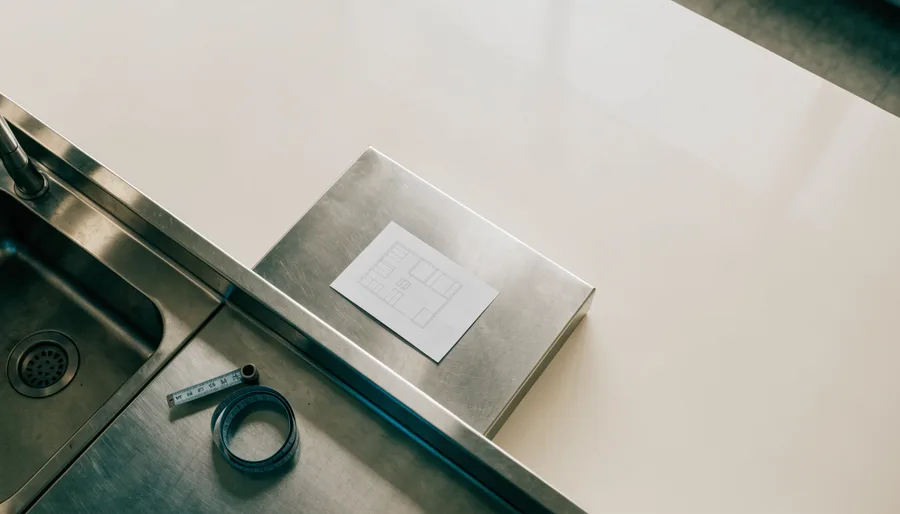
Measure the run, not the volume
Undercounter bases are sold by the millimetre of run — 1200, 1500, 1800 — because they have to finish flush with the counter above them. Litres are a consequence of that length, not a specification you choose first.
Measure the clear span between the equipment either side of the gap, then subtract the working clearance your fitter needs. What is left is the cabinet you can physically install, and it is the number that should lead the conversation.
Door count follows the station, not the litres
A two-door base and a three-door base of the same length hold roughly the same volume. What differs is how often cold air falls out of them. A station where one person reaches in repeatedly through a service wants fewer, larger doors; a station where two people work side by side wants more, smaller ones.
This is the decision most often made backwards. Capacity is set by the length you already measured; door count is set by how the station is worked.
Leave the cooling type until last
Air-cooled and static units of the same footprint hold the same food. The choice between them is about the room they sit in — its ambient temperature, its ventilation, and how much noise the space can absorb. That comparison is its own subject.
Written by the Keystonne specification desk. Figures describe the catalogue as published and are not a substitute for professional tax or engineering advice.